
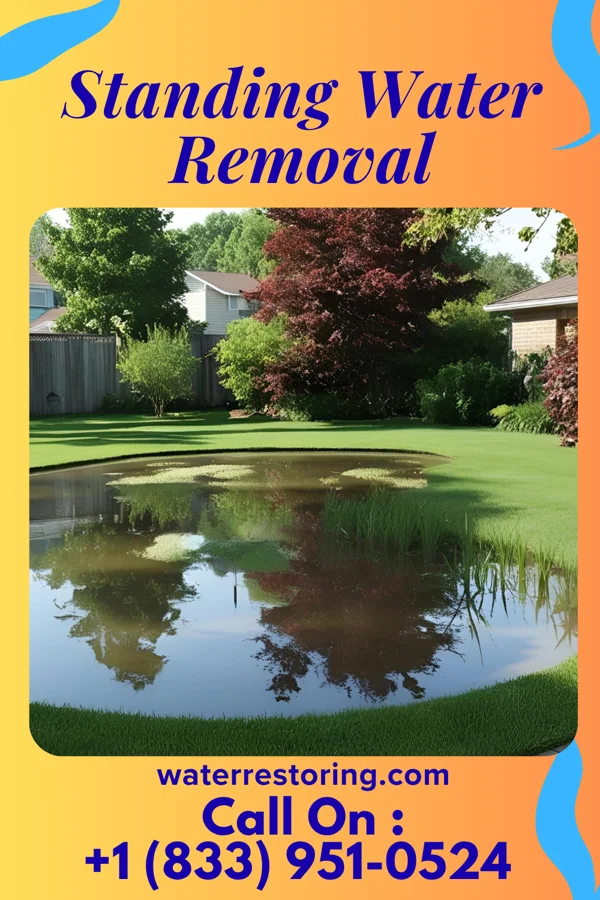
Ground-Water Standing Water in Riverland
Water damage in Riverland tends to cluster in predictable windows because of the local climate. In Riverland, Minnesota, primary water damage often stems from burst pipes during harsh winter freezes or sudden spring thawing, which can lead to significant flooding in homes and buildings. Additionally, heavy rainfall events, especially in late spring and early summer, frequently overwhelm local drainage systems, causing water to back up into basements and low-lying areas. A close second is Secondary causes include leaking roofs due to aging infrastructure, poor drainage around properties, and inadequate maintenance of gutters and downspouts. These issues are common in the rural setting of Riverland, where many homes are older and not regularly inspected for potential vulnerabilities..
Riverland experiences cold winters and warm, humid summers, which can lead to condensation and mold growth in homes. The region's flat terrain and lack of natural waterways increase the risk of prolonged water exposure, making prompt water damage response critical.
Riverland experiences cold winters and warm, humid summers, which can lead to condensation and mold growth in homes. The region's flat terrain and lack of natural waterways increase the risk of prolonged water exposure, making prompt water damage response critical. The dominant local driver is In Riverland, Minnesota, primary water damage often stems from burst pipes during harsh winter freezes or sudden spring thawing, which can lead to significant flooding in homes and buildings. Additionally, heavy rainfall events, especially in late spring and early summer, frequently overwhelm local drainage systems, causing water to back up into basements and low-lying areas., with Secondary causes include leaking roofs due to aging infrastructure, poor drainage around properties, and inadequate maintenance of gutters and downspouts. These issues are common in the rural setting of Riverland, where many homes are older and not regularly inspected for potential vulnerabilities. showing up as the next most common cause. Damage builds in stages. Spread. Absorption. Microbial growth. Structural compromise. Every stage you pass through adds to the final bill.