
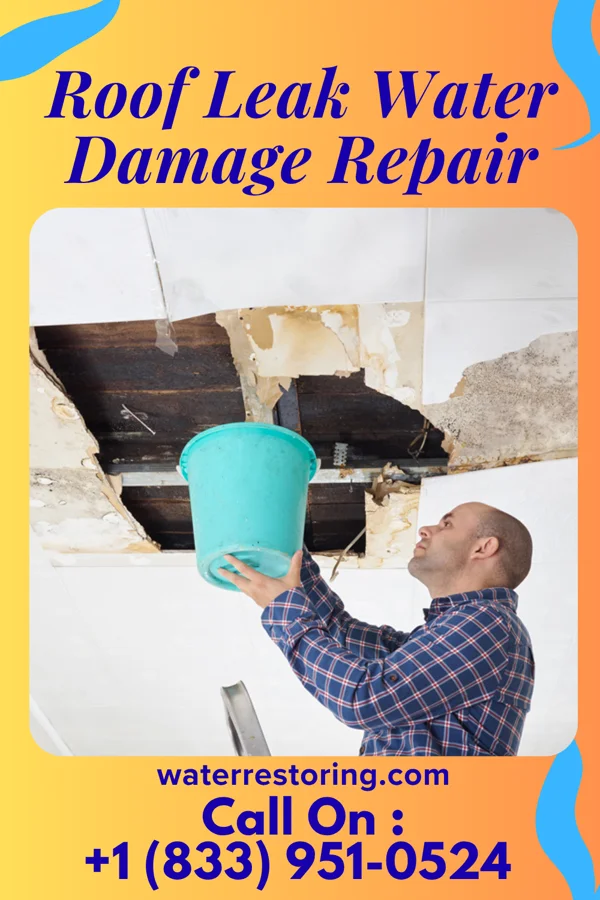
Roof Leaks Across Riverland Neighborhoods
Every neighborhood in Riverland has a different water damage risk profile. The one that shows up on most restoration calls is Riverland, Minnesota experiences frequent spring and summer thunderstorms, which can lead to sudden heavy rainfall and strong winds. These storms often result in water infiltration through damaged or aging roofing systems, especially in rural areas with older structures. The combination of high winds and heavy rain increases the risk of roof leaks and water damage.. A close second is Winter in Riverland can bring significant snowfall and freezing temperatures, which can cause ice dams to form on roofs. These ice dams trap meltwater behind them, leading to water seepage into homes. Additionally, thawing and refreezing cycles can weaken roofing materials over time, creating vulnerabilities..
The combination of heavy rainfall, freezing temperatures, and strong winds in Riverland makes it a high-risk area for roof leaks and water damage. Homes in rural areas are particularly vulnerable due to older infrastructure and less frequent maintenance.
Water damage in Riverland follows a few local patterns. Riverland, Minnesota experiences frequent spring and summer thunderstorms, which can lead to sudden heavy rainfall and strong winds. These storms often result in water infiltration through damaged or aging roofing systems, especially in rural areas with older structures. The combination of high winds and heavy rain increases the risk of roof leaks and water damage. accounts for the bulk of our calls. The combination of heavy rainfall, freezing temperatures, and strong winds in Riverland makes it a high-risk area for roof leaks and water damage. Homes in rural areas are particularly vulnerable due to older infrastructure and less frequent maintenance. In Riverland, mold can develop within 48 hours of water exposure, especially in humid summer months. This risk is heightened in older homes with poor ventilation and insulation, leading to secondary damage such as wood rot and structural weakening.
For public guidance on the health effects of mold after prolonged water exposure, see the EPA mold and health page.